Craniofacial Orthodontics
Orthodontic care for cleft lip and palate, in Sacramento and Fair Oaks, CA

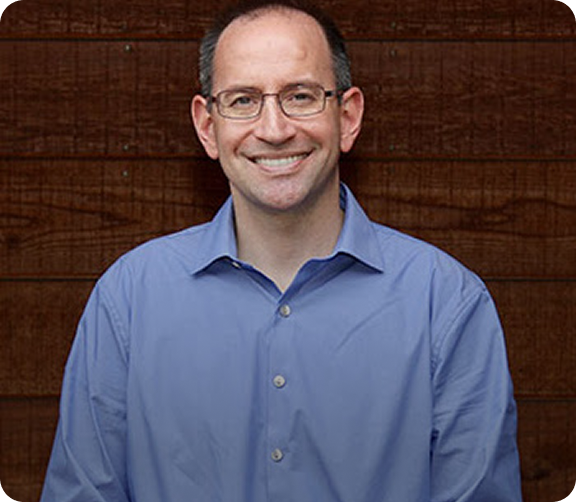
A child born with a cleft lip or palate is cared for by a team, and orthodontics is one part of that team’s work. This page explains what craniofacial orthodontics is, what cleft lip and palate involve, and the role an orthodontist plays in a child’s care. If you’re looking for orthodontic support as part of your child’s treatment, board-certified orthodontist Dr. Christopher Myers and the team at New Element Orthodontics in Sacramento and Fair Oaks, CA are glad to talk with you.
What Is Craniofacial Orthodontics?
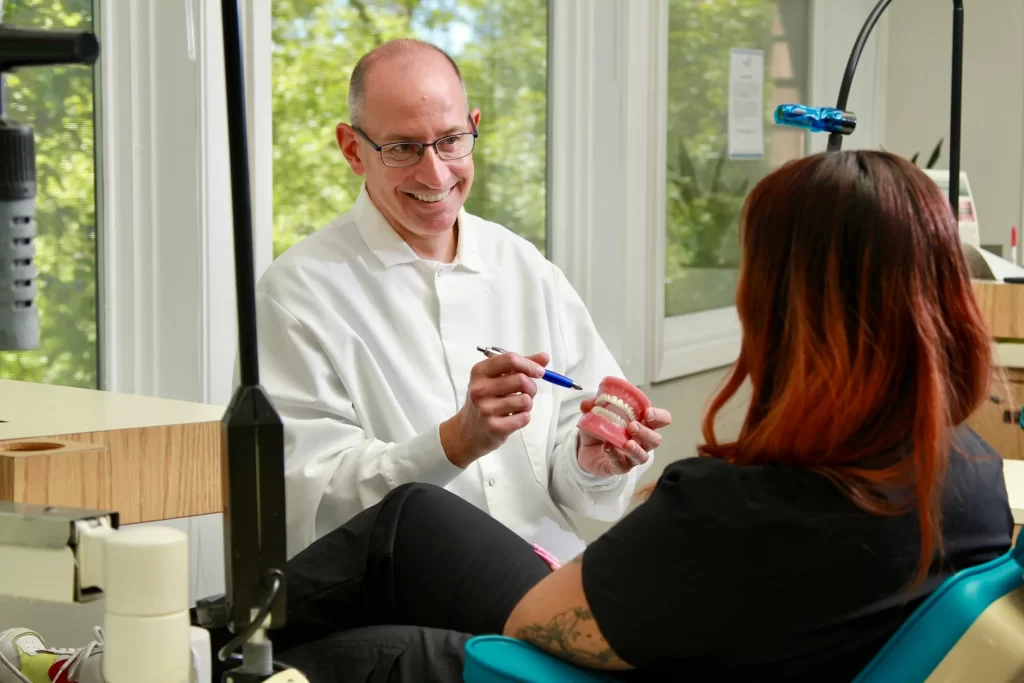
Craniofacial orthodontics is a sub-specialty focused on patients with conditions present from birth, most commonly cleft lip and palate, along with other differences in how the jaw and face develop. Within a child’s care team, which can include oral surgeons, craniofacial plastic surgeons, and speech pathologists, the orthodontist handles the non-surgical side: guiding the position of the teeth and jaws, preparing for and supporting jaw surgery when it’s needed, and monitoring growth over time with X-rays and dental records.
What Are Cleft Lip and Cleft Palate?
A cleft is a gap that forms when parts of the face don’t fully join during early development before birth. A cleft lip is a split in the upper lip. A cleft palate is a split in the roof of the mouth. A child can have one or both. The gap forms when there isn’t enough tissue in the lip or mouth area for the parts to come together properly. In most cases the exact cause isn’t known, though genetics and a mother’s environment during pregnancy both appear to play a role.

How Cleft Lip and Palate Can Affect a Child
Beyond appearance, a cleft can affect a child in practical ways, which is why care involves several specialists:
- Feeding: an opening in the palate can let food and liquid pass up into the nose, which makes feeding harder. Before surgery, specially designed devices can help direct liquids downward so a child still gets enough nutrition.
- Speech: when the lip and palate haven’t formed normally, speech can be harder to produce and may sound nasal. A speech pathologist often works with the child to develop clear speech.
- Ear and hearing: clefts can lead to fluid building up in the middle ear, which raises the risk of ear infections and, if left untreated, can affect hearing. Small tubes are sometimes placed in the eardrums to help fluid drain.
- Teeth: children with clefts often have missing, misshapen, or displaced teeth, which makes ongoing dental and orthodontic care especially important.
What Treatment Involves
Treating a cleft usually begins with surgery, led by the surgical members of the team. Depending on the type and severity of the cleft, more than one procedure may be needed over the course of childhood, with timing set by the surgical team. Cleft lip repair is often done in the first months of life, while palate repair typically comes later in infancy. Orthodontic care then continues at different stages as a child grows, supporting the surgeons’ work and helping the teeth and jaws develop as well as possible.
Common Questions About Craniofacial Orthodontics
Does the orthodontist perform the surgery?
No. Cleft surgery is performed by oral and craniofacial surgeons. The orthodontist handles the non-surgical part of care, guiding the teeth and jaws and supporting the child before and after surgery, in coordination with the rest of the team.
When does orthodontic care usually begin?
It varies by child and by the type of cleft. Orthodontic care is typically staged across childhood and the teen years rather than done all at once, and it’s timed to work with the surgical plan and the child’s growth.
How We Can Help
If your child needs orthodontic care as part of their cleft treatment, or you simply have questions about the orthodontic side of things, we’re glad to talk. Dr. Myers can discuss your child’s needs and how orthodontic care fits alongside the rest of their team.
Sacramento
Fair Oaks
Our other treatments